
On July 18, 1994, the 1994 Genocide against the Tutsi in Rwanda officially came to an end after the Rwandan Patriotic Front (RPF) captured Gisenyi, the last major stronghold of the genocidal interim government, and declared a unilateral ceasefire.
The announcement marked the end of 100 days of mass killings in which more than a million people were slaughtered. The overwhelming majority of the victims were Tutsi, alongside thousands of moderate Hutu and members of the Twa community.
The milestone came two weeks after the RPF, led by Paul Kagame, seized Kigali on July 4, 1994, effectively dismantling the regime that had orchestrated the genocide. As government forces and the Interahamwe militia retreated into neighbouring Zaire—now the Democratic Republic of the Congo—the RPF declared victory on July 18. A broad-based transitional government was sworn in the following day.
The genocide began on April 7, 1994, hours after the plane carrying Rwandan President Juvénal Habyarimana and Burundian President Cyprien Ntaryamira was shot down on the evening of April 6 as it approached Kigali. The assassination triggered a meticulously organised campaign of mass murder, with extremist leaders using state institutions, the military, militias and hate propaganda to target Tutsis and moderate Hutus.
Uganda played a significant role in the events that preceded and surrounded the conflict.
Following anti-Tutsi violence in Rwanda during the 1960s and 1970s, thousands of Rwandan refugees settled in Uganda. Many later joined President Museveni's National Resistance Army (NRA) during the Bush War and rose to senior positions after the movement took power in 1986. Among them were Fred Rwigyema and Paul Kagame.
In 1987, Rwandan exiles based in Kampala formed the Rwandan Patriotic Front, seeking to secure the right of refugees to return home and pursue political reforms in Rwanda. The RPF launched an armed offensive from Ugandan territory in October 1990, beginning a civil war that continued until the genocide erupted in 1994.
During the genocide, Uganda served as a key logistical base for the RPF while also hosting refugees fleeing the violence.
The genocide had profound consequences for the Great Lakes region.
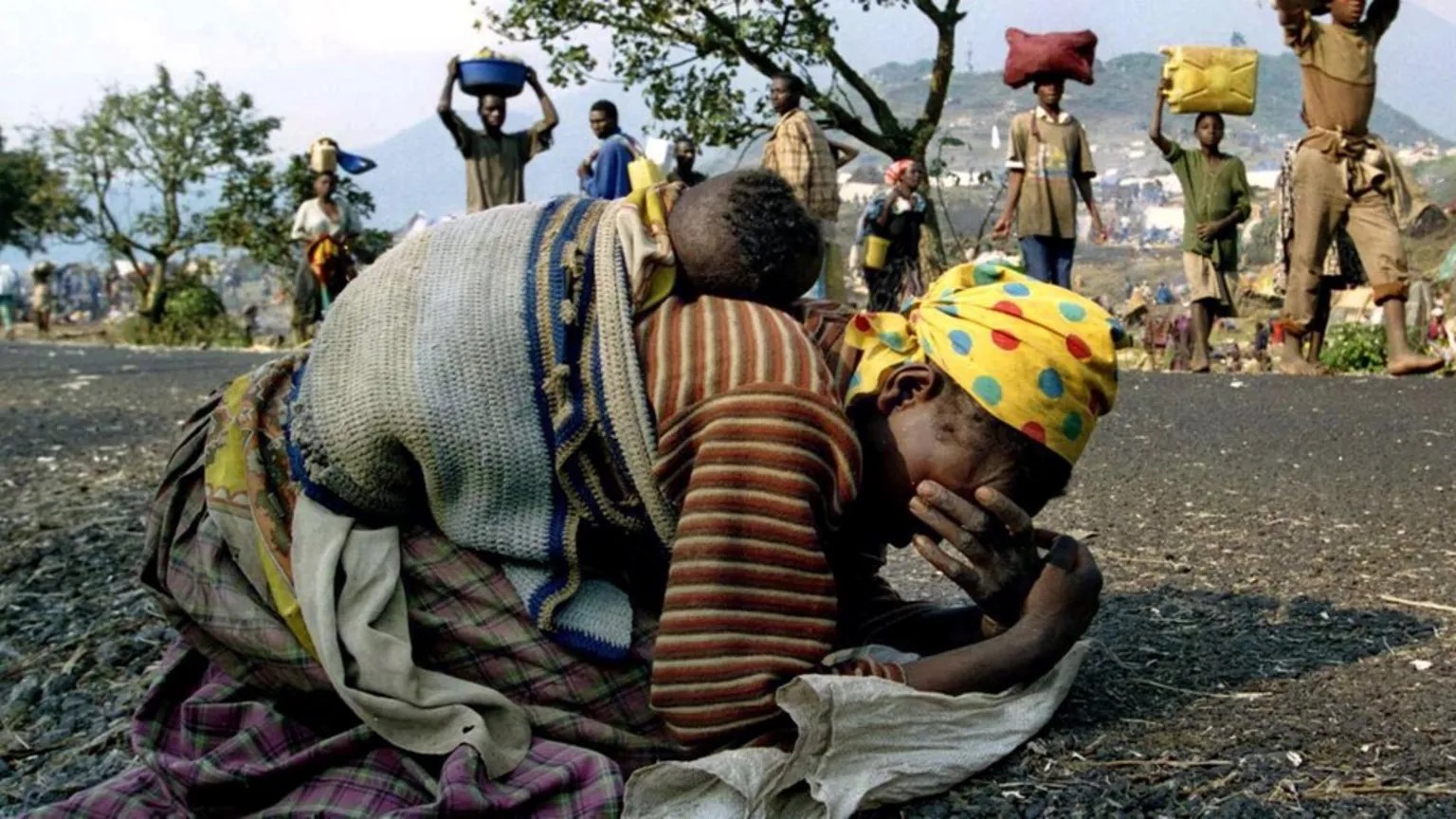
More than two million people fled Rwanda, with many crossing into eastern Zaire. The massive refugee influx, which included members of the defeated Rwandan army and Interahamwe militia, contributed to regional instability and helped spark the First Congo War (1996–1997) and Second Congo War (1998–2003).
Those conflicts drew in multiple African countries and resulted in millions of additional deaths through fighting, disease and displacement, making them among the deadliest conflicts since the Second World War.
Today, July 18 remains a significant date in Rwanda's history, marking the end of one of the twentieth century's darkest chapters and the beginning of the country's long journey of reconstruction, reconciliation and national recovery.
